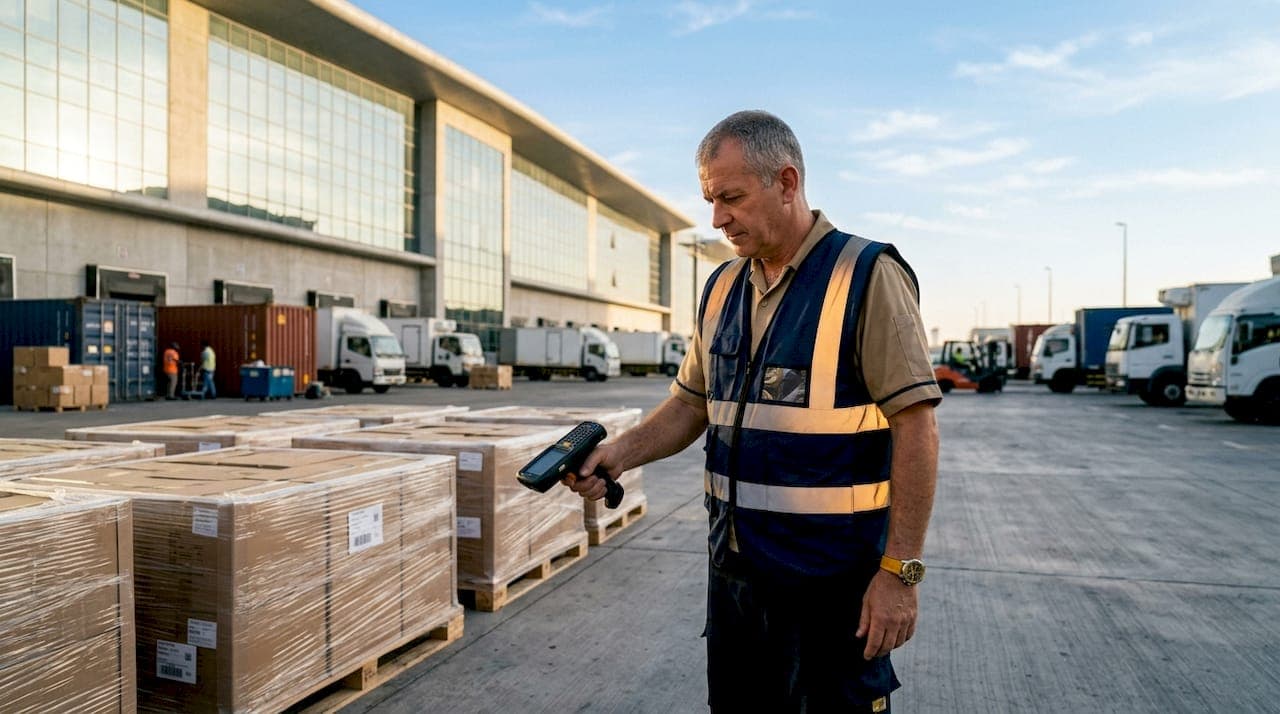
NSD logistics is defined as a dedicated last-mile delivery and third-party logistics (3PL) partner, built to manage urgent freight, fleet operations, and integrated supply chain services for businesses that cannot afford delays. The term "NSD" stands for Non-Stop Delivery, a name that reflects the operational priority of continuous, reliable dispatch. Businesses searching for NSD transport services typically need more than a basic courier. They need a partner with verified assets, trained staff, and technology that keeps every shipment visible from collection to delivery. This article explains how NSD logistics works, what makes its 3PL model effective, and what businesses should know before choosing a logistics partner for time-critical freight.
What is NSD logistics and how does it operate?
NSD logistics is a specialised logistics provider based in Dubai, with over 10 years of operational experience and more than 5 years focused on 3PL logistics. That depth of experience matters because last-mile delivery is where most supply chains fail. Parcels get lost, riders go untracked, and customer expectations go unmet. NSD addresses this by combining verified asset ownership with a workforce-centric management model.
The company operates from Warehouse E-29, Al Asayel Street, Al Quoz 4, Dubai. Its core services cover last-mile delivery, fleet management, and integrated 3PL freight forwarding. Rather than acting as a pure intermediary, NSD owns its operational infrastructure and employs trained, platform-ready delivery staff. This distinction separates it from brokers who simply connect shippers with third-party carriers.

For businesses, the practical difference is accountability. When a logistics provider owns its fleet and employs its riders directly, there is one point of contact when things go wrong. That single accountability point reduces the risk of delays caused by miscommunication between separate operators.
How does NSD logistics manage last-mile delivery?
Last-mile delivery is the final stage of a shipment's journey, from a local depot or warehouse to the end recipient. It is also the most expensive and operationally complex stage of any supply chain. NSD addresses this through a systems-driven approach that prioritises workforce training and performance measurement.
NSD employs trained riders who receive both operational and safety training before deployment. This workforce-centric model distinguishes NSD from intermediary logistics providers who rely on unverified freelance networks. Consistent training produces consistent delivery performance, which directly affects customer satisfaction scores.
Key elements of NSD's last-mile management include:
- Rider KPIs and delivery analytics: Performance data tracks individual rider output, on-time rates, and customer feedback in real time.
- Fleet uptime management: Scheduled maintenance and vehicle monitoring reduce downtime and prevent service gaps during peak periods.
- Scalable workforce deployment: During high-demand periods such as retail sales events, NSD scales its rider pool without compromising training standards.
- Platform-ready staff: Riders are trained to operate within digital dispatch systems, reducing manual errors and improving route efficiency.
- Operational transparency: Clients receive visibility into delivery progress, not just a confirmation at the end.
Pro Tip: When evaluating any last-mile logistics partner, ask specifically about rider training protocols and KPI reporting. A provider that cannot show you performance data is one that is not measuring it.
Scalability is a critical factor for e-commerce businesses and retailers. Demand spikes during promotional periods can double or triple daily delivery volumes overnight. A logistics partner without a scalable workforce model will either turn away volume or deliver a degraded service. NSD's preparation for peak demand is built into its operational structure, not bolted on as an afterthought.
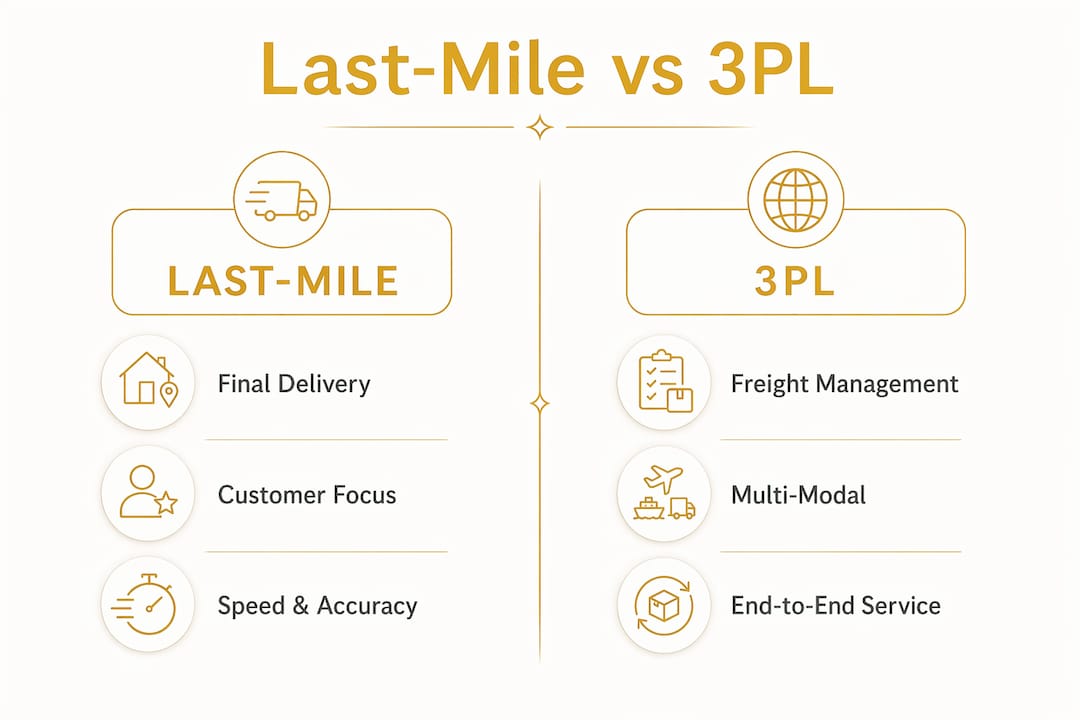
What role does NSD logistics play in freight forwarding services?
Freight forwarding is the strategic management of shipments across multiple transport modes, including air, ocean, road, and rail. It is not simply booking a truck. Effective freight forwarding services require coordination across carriers, customs authorities, and compliance frameworks, all while keeping the client informed and the cargo moving.
NSD's integration within a 3PL model means it takes accountability across these transport modes rather than passing responsibility between separate operators. This matters because handover points between transport modes are where damage, loss, and delay most commonly occur. Reducing the number of handovers, or managing them within a single accountable structure, directly improves delivery outcomes.
For businesses moving goods internationally, the compliance requirements are significant:
- Customs brokerage: Shipments crossing international borders require accurate documentation, duty classification, and regulatory declarations.
- Duty management: Incorrect duty calculations lead to delays at customs and unexpected costs for the importer.
- Carbon Border Adjustment Mechanism (CBAM): The UK's CBAM, effective from 2027, adds a carbon pricing layer to certain imported goods. Logistics partners must understand and account for this regulation.
- Multi-modal coordination: Each transport mode has its own documentation requirements. A 3PL partner manages these concurrently rather than sequentially.
- Single point of accountability: Rather than managing separate air, road, and ocean carriers independently, businesses benefit from one partner who owns the entire freight journey.
The most effective logistics partnerships function as an extension of the client's own operations, with transparency and accountability spanning the entire freight journey. This is the standard that a credible 3PL freight forwarding partner should meet.
How does technology support NSD logistics and supply chain optimisation?
Technology is the backbone of modern logistics management solutions. Without real-time data, even the best-trained workforce cannot respond quickly enough to disruptions, route changes, or customer queries. NSD's operational model incorporates digital platforms that provide live visibility across the supply chain.
AI-powered orchestration platforms such as Kinaxis Maestro and SAP Logistics Management enable agile coordination of local and satellite operations with real-time data synchronisation. These platforms allow logistics managers to see the status of every shipment, adjust routes dynamically, and respond to disruptions before they escalate. Logistics is evolving into synchronised, data-driven management where the concurrency of plans, information, and decisions builds resilience against supply chain disruptions.
| Technology feature | Operational benefit |
|---|---|
| Real-time tracking | Clients see live shipment status without contacting support |
| AI route optimisation | Reduces fuel costs and improves on-time delivery rates |
| Warehouse management integration | Connects stock levels to dispatch schedules automatically |
| Digital freight booking | Instant quotes replace slow email-based quoting processes |
| Delivery analytics dashboard | Identifies performance gaps and supports continuous improvement |
Digital freight platforms offering instant, transparent pricing and 24/7 automated booking reduce delay risks compared to traditional email quoting methods. This shift is not cosmetic. Businesses that rely on email-based quoting during peak periods face hours of delay before a shipment is even confirmed. Automated platforms eliminate that gap entirely.
Pro Tip: When assessing a logistics partner's technology, ask whether their tracking system updates in real time or on a scheduled delay. A 30-minute tracking lag is the difference between catching a problem and discovering it after the fact.
For businesses managing warehouse operations alongside outbound delivery, integration between warehouse management systems and dispatch platforms removes the manual data entry that causes errors. Stock leaves the warehouse, the system updates automatically, and the customer receives a tracking notification without any human intervention in between.
How do businesses use NSD logistics for urgent delivery needs?
Urgent deliveries require a logistics partner that can respond within hours, not days. NSD's model supports this through scalable fleet options, trained staff, and a customer service structure designed for time-sensitive freight. The shipnsd platform provides customer care from Monday to Friday, 7:30AM to 9:30PM ET, and Saturday to Sunday, 9:30AM to 6:30PM ET, with direct phone support available. That level of availability reflects a commitment to operational responsiveness that many logistics providers do not match.
Businesses that benefit most from NSD's model include:
- Retail and e-commerce operators who need scalable delivery capacity during promotional events without managing their own fleet.
- Startups and SMEs that require professional logistics infrastructure without the capital cost of building it in-house.
- Construction and engineering firms moving time-critical materials to active sites where delays have direct cost consequences.
- Medical and healthcare providers where delivery failures carry patient safety implications.
- Commercial freight operators managing varied shipment volumes across multiple destinations simultaneously.
The flexibility of NSD's fleet and workforce model means businesses are not locked into fixed capacity. A retailer shipping 200 parcels per day in January can scale to 800 per day in december without renegotiating a contract or sourcing additional carriers. That flexibility is the practical value of a workforce-centric, asset-verified logistics model.
Operational transparency is equally important. Businesses need to know where their goods are, not just that they have been dispatched. Real-time tracking for emergency deliveries gives clients the visibility to manage customer expectations proactively, rather than reacting to complaints after a missed delivery.
Key takeaways
NSD logistics delivers reliable, scalable last-mile and 3PL freight services through a workforce-centric model, real-time technology, and single-point accountability across multi-modal supply chains.
| Point | Details |
|---|---|
| Workforce-centric model | NSD employs trained, platform-ready riders to maintain consistent last-mile delivery quality. |
| 3PL accountability | A single accountable partner across air, road, and ocean freight reduces handover risk and delays. |
| Compliance awareness | Businesses must account for customs brokerage, duty management, and UK CBAM from 2027. |
| Technology integration | AI orchestration platforms and digital booking replace slow, error-prone manual processes. |
| Scalable capacity | NSD's fleet and workforce model supports rapid volume increases without degrading service quality. |
Why I think systems-driven logistics is the only model worth trusting
Most businesses choose a logistics partner based on price. That is the wrong starting point. Price tells you nothing about what happens when a rider goes off-route, a shipment clears customs late, or a warehouse management system fails to sync with the dispatch platform. What matters is whether the provider has systems in place to catch those problems before they reach the customer.
NSD's approach, combining verified asset ownership with trained staff and real-time data platforms, is the model I would recommend to any business moving time-critical freight. The workforce-centric structure means accountability sits with the provider, not with a network of unverified freelancers. That distinction becomes very clear the first time something goes wrong.
The 3PL integration piece is equally important for businesses with international freight needs. Customs compliance is not optional, and the introduction of the UK CBAM from 2027 adds another layer of complexity that many smaller logistics providers are not prepared for. Choosing a partner who understands multi-modal compliance now saves significant disruption later.
The technology question is where I see the biggest gap between good and average logistics providers. Real-time tracking, AI route optimisation, and automated booking are not premium features. They are the baseline for any provider serious about commercial logistics in 2026. If a provider still quotes by email and updates tracking on a delay, they are operating a decade behind the standard.
— Ayomide
Sddbyaba: same day courier and freight haulage across the UK
Businesses that need urgent, reliable logistics within the UK will find Sddbyaba built precisely for that demand. Sddbyaba provides same day courier services and freight haulage nationwide, with a fleet ranging from motorcycle couriers to 26-tonne trucks and artic lorries.
Whether you need a dedicated vehicle for a single urgent consignment or a scalable freight solution for regular commercial volumes, Sddbyaba offers flexible options across construction, retail, medical, and manufacturing sectors. The fleet covers every load size, from small parcels to full pallet loads and heavy haulage. Contact Sddbyaba directly to discuss time-critical dispatch requirements and get a quote matched to your specific freight needs.
FAQ
What does NSD stand for in logistics?
NSD stands for Non-Stop Delivery. It is a logistics provider specialising in last-mile delivery and 3PL freight services, with over 10 years of operational experience based in Dubai.
How does NSD logistics handle urgent deliveries?
NSD uses trained, platform-ready riders and real-time dispatch systems to manage time-sensitive deliveries. Customer support is available seven days a week for shipment queries and tracking assistance.
What is 3PL in freight forwarding?
3PL, or third-party logistics, is the outsourcing of freight management to a single provider who coordinates transport across multiple modes including road, air, and ocean. It reduces handover risk and simplifies compliance management.
Why does technology matter in logistics management solutions?
AI-powered platforms such as Kinaxis Maestro provide real-time data synchronisation across supply chains, enabling faster decisions and fewer disruptions. Digital booking platforms also replace slow email-based quoting, reducing delays at the point of shipment confirmation.
What is the UK CBAM and how does it affect freight forwarding?
The UK Carbon Border Adjustment Mechanism (CBAM) applies a carbon pricing charge to certain imported goods and takes effect from 2027. Businesses using international freight forwarding services must work with logistics partners who understand and can manage this compliance requirement.